“The illiterate of the 21st century will not be those who cannot read and write, but those who cannot learn, unlearn, and relearn.” – Alvin Toffler
Owning and renovating a 200-year-old house is not for the faint of heart. It’s not just a home—it’s a history lesson, a puzzle, and sometimes a comedy of errors. As we settle into our Georgian beauty, we’re discovering that it’s not just the house that’s being transformed—we are, too.
Century homes are unlike anything built in the last 50 years. They weren’t designed with a uniform code but rather a set of standards that could vary wildly depending on the architect, builder, or era. Add two centuries’ worth of wear and tear, repairs, additions, and retrofits, and you’ve got a house full of quirks, mysteries, and challenges to solve. Every day brings a new discovery, and with it, a new opportunity to learn (or, let’s be honest, sometimes relearn).
Roots, Rocks, and Revelations
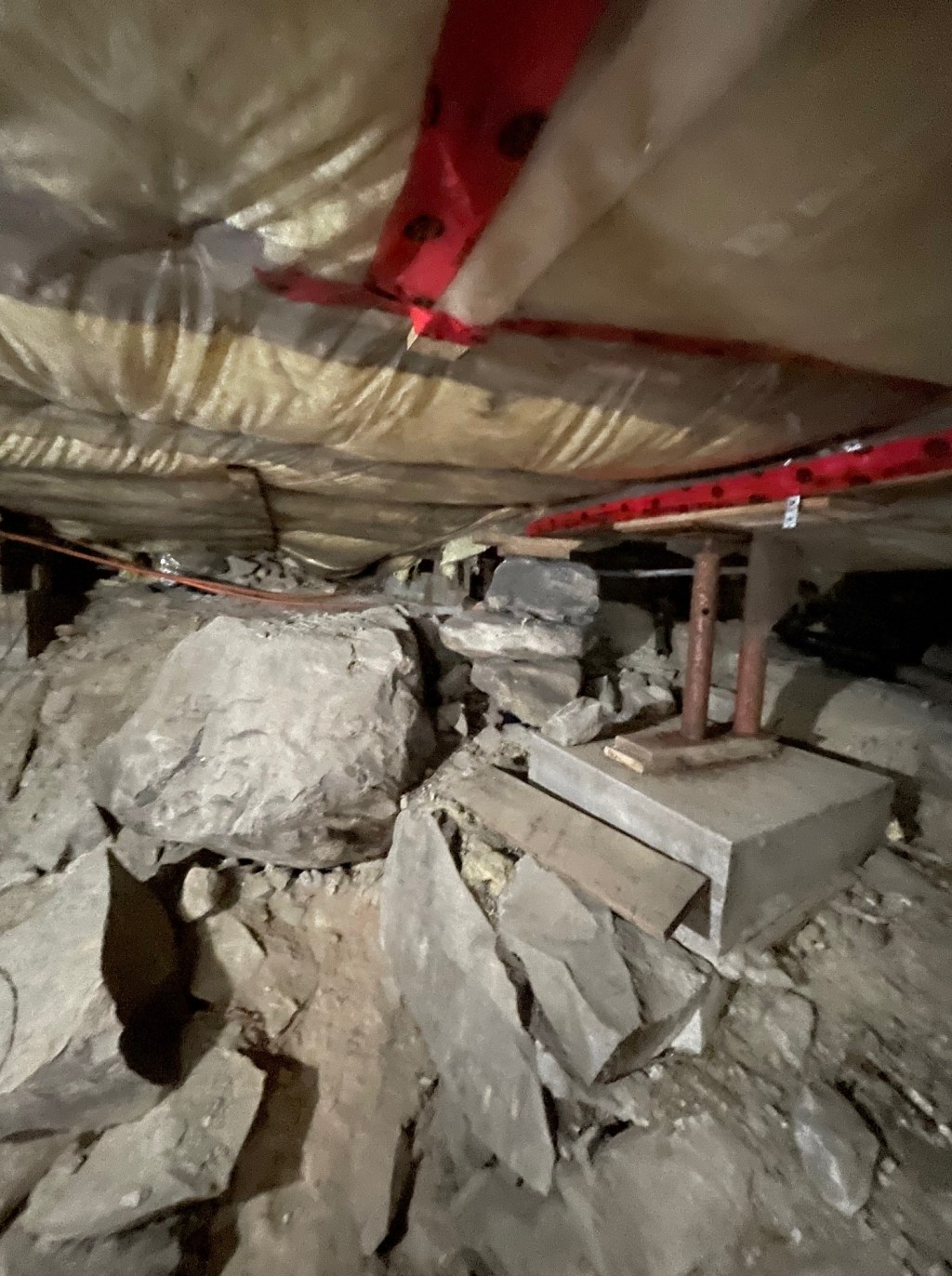
Take our recent revelation in the basement, for example. While assessing how to insulate the foundation in conjunction with some structural work, I noticed a sizable tree root had grown through the rock foundation. At first, I thought the unusual heave in the music room floor was due to settling—maybe a rotted support beam. But no, it seems part of the house may have been lifted over time by this persistent root.
This discovery was just the start. Questions swirled: How quickly do roots impact foundations? Is the root still alive? What happens if we remove it? Would killing the root cause future shifts as it rots? And what modern technologies might mitigate these risks? Researching the answers has been a mix of sorting through marketing fluff and finding practical, actionable solutions—not to mention tracking down contractors who have the expertise to handle century-home repairs.
Balancing the Old and the New
The root problem is just one piece of the puzzle. Air sealing and insulating the house is another. Our windows, for example, are in good shape for their age, but updating them for energy efficiency while preserving their charm is tempting. Each decision feels like balancing the past with the future: respecting the house’s history while bringing it into the modern era.
Of course, every new project brings its own learning curve. Each discovery leads to more research, planning, and, occasionally, frustration. But that’s part of the charm (or so I remind myself).
Learning to Love the Process
This house doesn’t come with an instruction manual. But maybe that’s for the best. Each challenge teaches us something new—not just about construction techniques or building materials, but about patience, problem-solving, and adaptability.
Toffler was right: learning, unlearning, and relearning isn’t just a survival skill—it’s a way of life. Owning this home has been a masterclass in all three. And while it’s not always easy, it’s certainly never boring.
So What Have I Really Learned?
Every crack in the plaster, every quirk in the foundation, and every unexpected discovery adds to the story of this house—and our own. In the end, we’re not just renovating a home; we’re building a life filled with lessons, memories, and more than a few laughs along the way.

 Now & When
Leave a comment